


The Evolution of Event Planning: Tracing the History of Event Planning
Event planning is a complex discipline that has grown significantly over time. From simple gatherings to large-scale corporate functions, the process has evolved to meet changing needs. Understanding this evolution helps us appreciate the strategies and tools we use today. I will guide you through the key milestones and practical insights in the development of event planning.
The Early Days: Foundations of Event Planning
Event planning began with basic social and religious gatherings. Ancient civilizations organized ceremonies, festivals, and public celebrations. These events required coordination of resources, timing, and participants, laying the groundwork for modern event management.
For example, the Egyptians held elaborate funerary rituals that involved multiple stages and numerous participants. Similarly, the Romans organized public games and feasts that demanded logistical planning. These early events focused on community engagement and cultural expression.
The key takeaway here is that even in ancient times, successful events depended on clear objectives, resource management, and timing. These principles remain central to event planning today.
The Evolution of Event Planning in the Modern Era
The industrial revolution and urbanization brought new challenges and opportunities for event planning. As cities grew, so did the scale and complexity of events. Public exhibitions, trade fairs, and political rallies became common, requiring professional coordination.
In the 20th century, event planning became more specialized. The rise of corporate events, conferences, and product launches created demand for dedicated planners. Technology also played a role, with telephones and later computers improving communication and organization.
Today, event planning integrates digital tools, marketing strategies, and risk management. The focus is on creating seamless experiences that align with business goals. This evolution reflects the increasing importance of events in communication and branding.
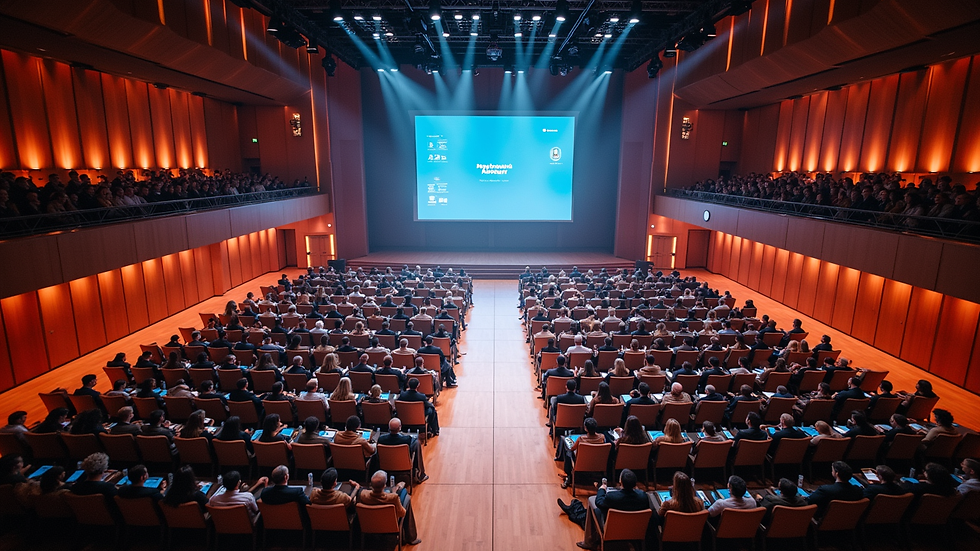
What are the 7 stages of event planning?
Understanding the stages of event planning helps ensure success. These stages provide a clear roadmap from concept to execution.
Research and Conceptualization
Define the event’s purpose, target audience, and key messages. Gather information on venue options, budget, and timing.
Planning and Design
Develop a detailed plan including logistics, program schedule, and design elements. Coordinate with vendors and stakeholders.
Budgeting
Create a budget that covers all expenses. Monitor costs and adjust plans to stay within limits.
Promotion and Marketing
Use communication channels to attract attendees. Develop promotional materials and manage registrations.
Execution
Oversee the event setup, manage staff, and ensure the program runs smoothly. Handle any issues promptly.
Evaluation
Collect feedback from attendees and stakeholders. Analyze what worked and what needs improvement.
Follow-up
Send thank-you notes, share event highlights, and maintain relationships for future events.
Following these stages systematically reduces risks and enhances the event’s impact.
Key Innovations That Shaped Event Planning
Several innovations have transformed event planning over the years. Understanding these helps us leverage current tools effectively.
Technology Integration: Event management software streamlines registration, communication, and data tracking. Virtual and hybrid events have expanded reach and flexibility.
Sustainability Practices: Eco-friendly event planning reduces waste and promotes social responsibility. This includes digital invitations, reusable materials, and energy-efficient venues.
Risk Management: Comprehensive risk assessments and contingency plans protect events from disruptions. This includes health protocols, security measures, and insurance.
Customization and Personalization: Tailoring events to audience preferences increases engagement. Data analytics and feedback tools support this approach.
These innovations reflect the growing professionalism and sophistication in event planning.

Applying Historical Insights to Today’s Events
The history of event planning offers valuable lessons for current practice. Here are practical recommendations based on this history:
Start with Clear Objectives: Define what success looks like early. This guides all decisions and resource allocation.
Plan Thoroughly but Stay Flexible: Detailed plans reduce surprises, but be ready to adapt to changing circumstances.
Leverage Technology Wisely: Use tools that enhance efficiency and attendee experience without overcomplicating processes.
Focus on Communication: Keep all stakeholders informed and engaged throughout the event lifecycle.
Evaluate and Improve: Use feedback to refine future events. Continuous improvement is key to long-term success.
By applying these principles, you can elevate your events and achieve meaningful outcomes.
Looking Ahead: The Future of Event Planning
Event planning will continue to evolve with technology and societal changes. Trends to watch include:
Increased use of artificial intelligence for personalization and automation.
Greater emphasis on hybrid events combining in-person and virtual elements.
Enhanced focus on inclusivity and accessibility.
Growing importance of data security and privacy.
Staying informed and adaptable will help you navigate these changes effectively. The goal remains to create impactful, seamless events that meet client and audience needs.
Event planning has come a long way from its origins. By understanding its evolution, you can apply proven strategies and embrace new innovations. This approach ensures your events deliver value and leave a lasting impression.


Comments